
How Hotels, Multi-Family Properties & Restaurants Use Planters to Increase Guest Experience and Revenue
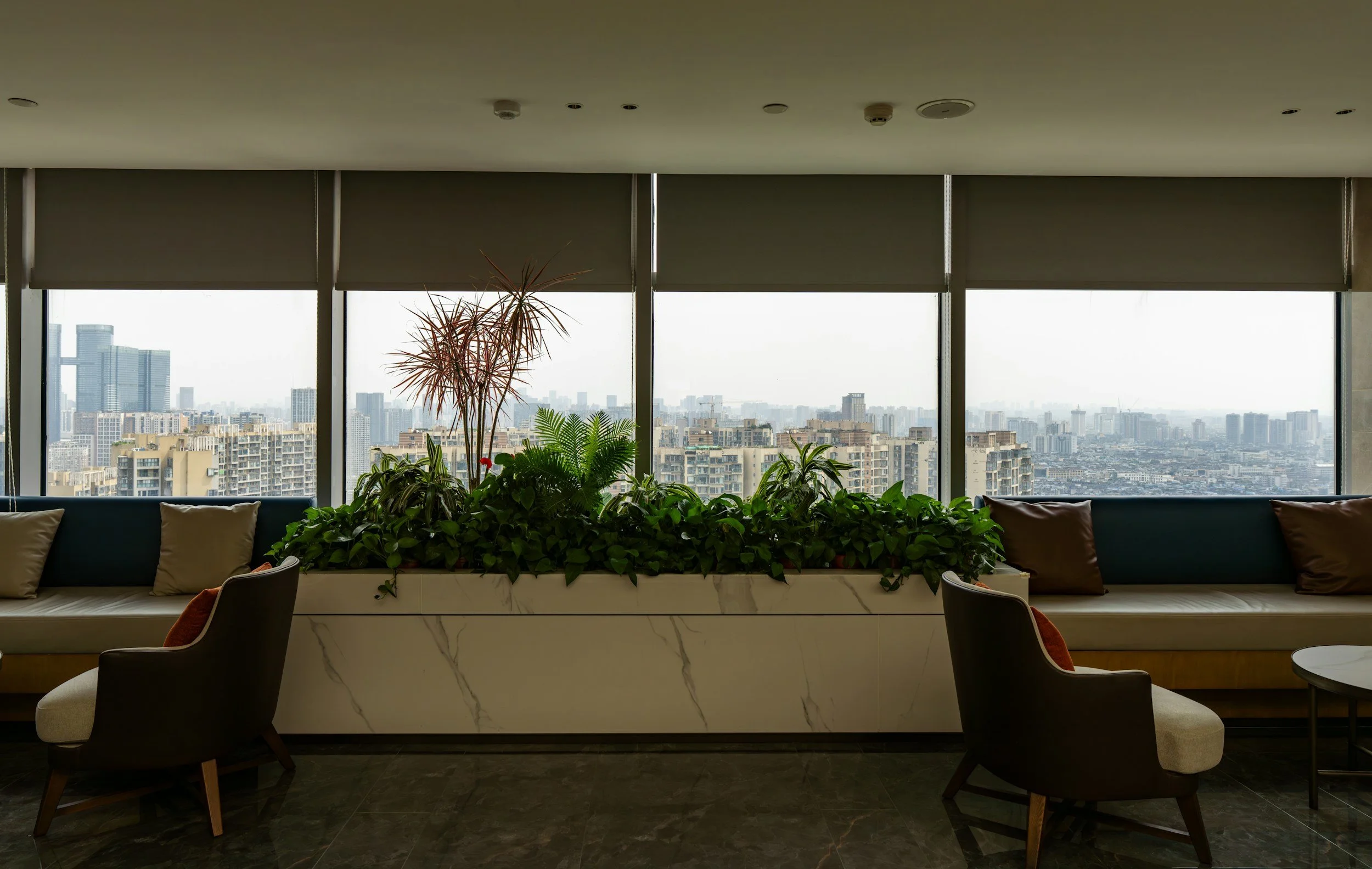
Perfect for hotels, residential living, and outdoor dining.
In hospitality, residential living, and dining environments, the guest experience begins long before a visitor steps inside a building. The atmosphere created at the entrance, the sense of welcome in a lobby, the visual rhythm of a courtyard, and the intimacy of a restaurant terrace all shape how guests perceive value. In modern commercial design, planters play a central role in shaping these spatial narratives.
More than decorative elements, planters are functional tools of placemaking. They guide movement, frame views, create micro-spaces, and soften the geometry of built structures. When thoughtfully selected, planters can meaningfully influence guest satisfaction, operational efficiency, and even revenue performance. This article explores how hotels, multi-family properties, and restaurants strategically use planters to enhance environment quality and strengthen their business outcomes.
1. The Arrival Experience: Setting the Tone From the First Moment
The entrance to a hotel, restaurant, or apartment building sets the psychological baseline for how guests interpret the entire experience. Large-scale fiberglass or metal planters at these arrival points accomplish several design and operational objectives.
1.1 Establishing Visual Identity
A pair of tall, sculptural planters flanking a doorway creates a sense of symmetry and intention. These elements communicate brand cues:
Warm and inviting
Minimal and modern
Luxurious and refined
Nature-forward and organic
Designers often choose consistent planter shapes and finishes to reinforce the architectural language of the building.
1.2 Controlling Flow and Traffic Patterns
Planters can act as subtle “soft barriers,” shaping how guests and vehicles approach the property:
Guiding guests toward the main entrance
Creating safer pedestrian zones
Separating valet or rideshare areas
Defining outdoor queue lines for restaurants
Because fiberglass planters are lightweight and durable, they can achieve the presence of concrete without installation complexity.
1.3 Enhancing Perception of Luxury
Landscaping is one of the most immediate ways to elevate perceived value. A thoughtfully designed planter grouping with greenery creates:
A sense of abundance
A feeling of calm
A curated, intentional environment
Perceived luxury at the entrance often correlates with guests’ willingness to pay higher nightly rates or dining prices.
2. Improving Ambiance and Increasing Guest Retention in Restaurants
Restaurants use planters not just for aesthetics but to shape the guest journey throughout the dining experience.
2.1 Creating Privacy in Outdoor Seating Areas
Outdoor dining can feel exposed without structure. Planters with trees or tall grasses create semi-private pockets of space:
Allowing diners to feel sheltered
Blocking unwanted views
Reducing noise
Improving comfort in windy conditions
These micro-environments increase dwell time and repeat visits.
2.2 Expanding Seating Capacity Through Outdoor Design
Strategic planter placement can define new seating zones that feel intentional rather than improvised. For example:
A row of rectangular planters can create a "room" along a sidewalk café.
Tall cylinders can anchor the corners of a seasonal patio.
Oversized bowls can break large spaces into intimate, rentable sections.
Well-designed outdoor areas often increase seating capacity by 15–40%, directly affecting revenue potential.
2.3 Enhancing the Sensory Experience
Plants add texture, fragrance, shade, and color to dining environments. When paired with sculptural planters, they create layers of sensory engagement that influence a guest’s emotional response to the space.
3. Multi-Family Properties: Supporting Resident Satisfaction and Curb Appeal
The multi-family sector—apartments, mixed-use buildings, condo communities—relies heavily on design to attract and retain residents. Planters support this in several strategic ways.
3.1 Increasing Curb Appeal and Leasing Conversions
Prospective residents make judgments within seconds of arriving on-site. Planters:
Frame the building’s facade
Add visual warmth
Reinforce branding and modernity
Convey a sense of maintenance and care
These impressions directly affect lease signing likelihood.
3.2 Creating Functionality in Shared Spaces
Amenity areas have become central to the resident experience. Planters are used to enhance:
Rooftop lounges
Pool decks
Outdoor kitchens
Coworking terraces
Courtyards
Fiberglass is especially useful in these areas because its lightweight construction avoids exceeding roof load limits.
3.3 Supporting Biophilic Design
Biophilic environments increase resident satisfaction, reduce stress, and improve perceived quality of life. Planters are the most effective way to introduce greenery without structural renovations.
4. Hotels: Elevating Experience, Reducing Operational Burden
Hotels face unique demands—high guest turnover, changing outdoor conditions, and the need for consistent brand environments. Planters help balance aesthetics with practicality.
4.1 Creating Inviting Lobby and Lounge Environments
Large, sculptural planters soften the transition from exterior arrival to interior sanctuary. In lobbies, they help:
Define circulation without walls
Create natural zones for seating
Introduce greenery that complements architectural materials
Planters also allow hotels to update décor seasonally without construction.
4.2 Enhancing Pool Decks and Rooftop Terraces
These areas benefit particularly from fiberglass planters due to weight constraints and exposure to sunlight. High-quality fiberglass resists:
Fading
Pool chemical exposure
UV degradation
Cracking from temperature changes
Planters make rooftop spaces feel more lounge-like and luxurious, increasing guest usage and social media shareability.
4.3 Creating Rentable Micro-Spaces
A major trend in hospitality design is the creation of small, semi-private “zones” that can be reserved for events, dinners, or cabana-style experiences. Planters help define these areas without heavy construction.
5. Architectural Impact: How Planters Shape Space and Structure
Planters are powerful tools for spatial manipulation. They can create rhythm, balance, and structure in environments with minimal changes to the built form.
5.1 Creating Sightlines and Focal Points
Designers use planters to:
Frame entrances
Direct views toward architectural features
Anchor the edges of outdoor spaces
Soften long corridors
Oversized planters become sculptural objects that draw the eye.
5.2 Softening Hard Architectural Lines
Much of contemporary design features steel, concrete, and glass. Planters help balance:
Hard surfaces with organic forms
Minimalist architecture with natural warmth
Rectilinear structures with circular or tapered shapes
The contrast is part of what makes modern design feel both sophisticated and welcoming.
5.3 Creating Flow Through Repetition
A series of matching planters can guide movement intuitively, much like lighting or flooring transitions. Repetition creates predictability, which reduces cognitive load for guests navigating unfamiliar spaces.
6. Operational Advantages: Safety, Durability, and Maintenance
Beyond design intent, planters support the operational needs of commercial properties.
6.1 Lightweight Installation
Fiberglass planters offer the visual presence of concrete without excessive weight. This benefit is especially valuable for:
Rooftops
Balconies
Pool surrounds
Suspended terraces
Installation crews appreciate fiberglass for its efficiency and reduced labor cost.
6.2 Weather Resistance and Longevity
Premium fiberglass planters with UV gel coats maintain their finish for years, even in harsh climates. They do not:
Rust
Warp
Absorb water
Crack during freeze–thaw cycles
This durability ensures that hospitality environments remain polished and consistent over time.
6.3 Versatile Mobility
Because they are lighter than comparable materials, fiberglass planters can be repositioned as layout needs evolve. Restaurants and hotels frequently reconfigure their outdoor seating to reflect:
Seasonal changes
Special events
Guest feedback
Staffing flow
Fiberglass makes this adaptation easier.
7. The Revenue Connection: Why Design Impacts Business Outcomes
Great design does more than make a space attractive—it influences behavior, comfort, and financial performance.
7.1 Increased Dwell Time
Guests spend more time in spaces that feel intentional, sheltered, and aesthetically cohesive. Increased dwell time benefits:
Restaurants → higher check averages
Hotels → higher bar/food spend
Multi-family → higher satisfaction & retention
Planters create this sense of place.
7.2 Enhanced Perceived Value
A well-landscaped property feels premium, even if the underlying construction is modest. This influences:
Nightly rates
Rent pricing
Event bookings
Restaurant pricing tolerance
Small design choices compound into large perceived-value increases.
7.3 Space Monetization
By defining usable outdoor zones, planters expand revenue-generating space. Examples:
A rooftop deck becomes rentable for private events
A restaurant sidewalk becomes a dining zone
A multifamily courtyard becomes a coworking hub
8. Final Thoughts
Planters are more than decorative accents—they are architectural tools that shape how guests move, feel, and engage with a space. In hotels, multi-family properties, and restaurants, planters influence everything from the arrival experience to perceived luxury, privacy, and operational efficiency. When paired with durable materials like fiberglass, they become long-lasting elements that support both design vision and business goals.
As contemporary commercial environments evolve toward natural textures, outdoor integration, and flexible spatial layouts, the planter has become one of the most valuable and versatile design elements available.
